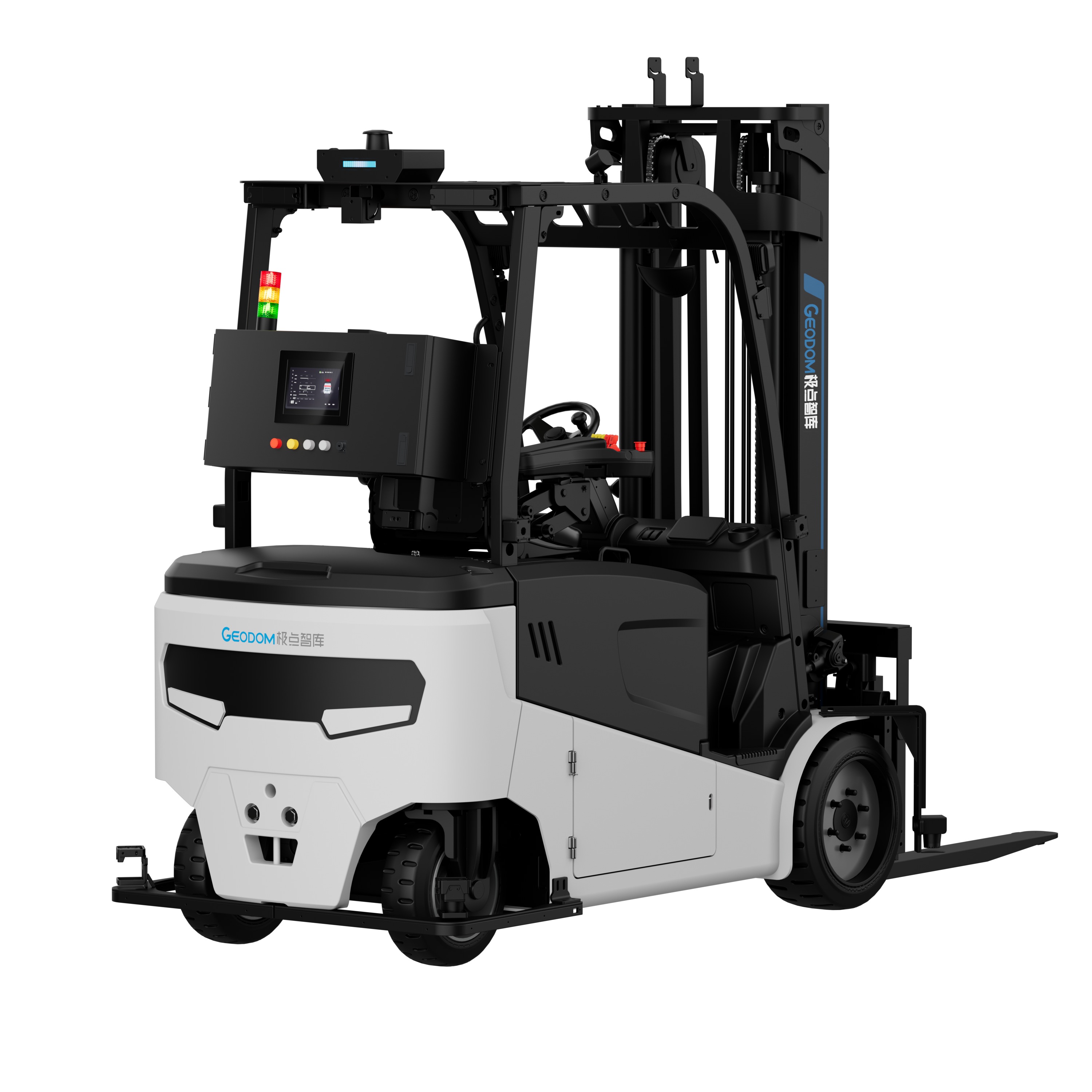
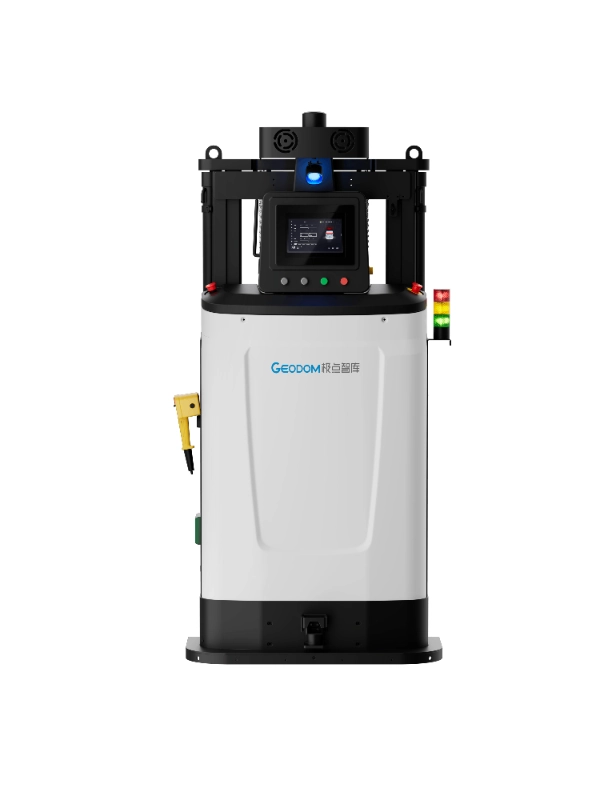
The Ultimate Guide to Choosing a Laser SLAM Flat Handling AGV
Release time: 2026-03-11
As warehouses and manufacturing facilities move toward smart automation, Laser SLAM Flat Handling AGVs are becoming an essential solution for efficient internal logistics. These autonomous vehicles are designed to transport pallets and materials automatically, reducing manual labor and improving operational efficiency.
If your business is planning to implement automated material handling, choosing the right Laser SLAM Flat Handling AGV is a critical decision. This guide explains the key factors you should consider before selecting the right system for your warehouse or factory.
Table of Contents
What Is a Laser SLAM Flat Handling AGV?
A Laser SLAM Flat Handling Automated Guided Vehicle is an autonomous mobile robot designed to transport pallets or goods across warehouses and production facilities without human intervention.
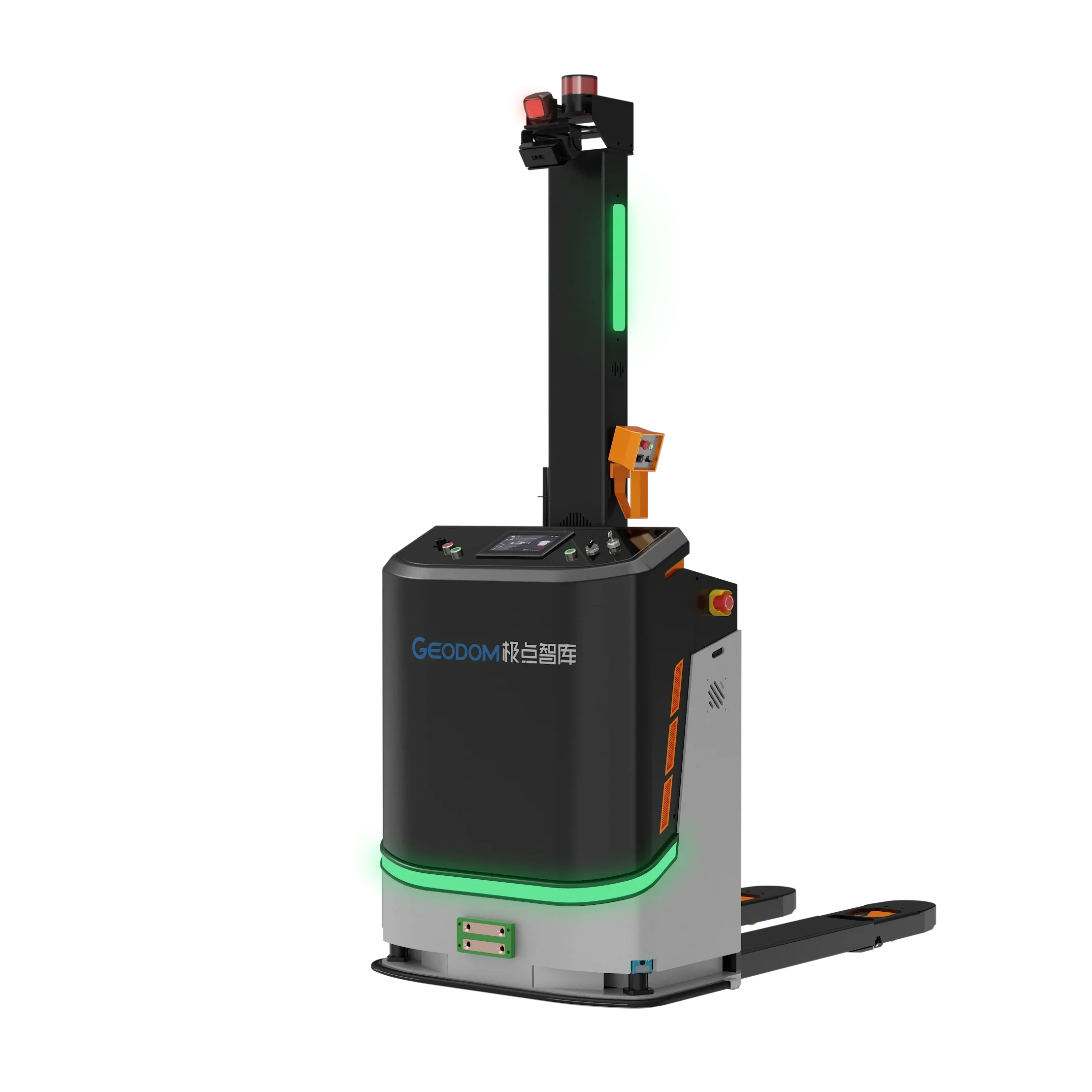
Using Laser SLAM (Simultaneous Localization and Mapping) technology, the AGV can scan its surroundings, build a map of the environment, and navigate safely without relying on fixed tracks or floor markers. This allows flexible deployment in dynamic environments where layouts may change.
Flat handling AGVs are particularly suitable for:
- Pallet transport between warehouse areas
- Production line material supply
- Inbound and outbound logistics operations
- Automated warehouse handling
Key Specifications of a Laser SLAM Flat Handling AGV
When evaluating a flat handling AGV, it is important to review its core specifications to ensure it meets your operational needs.
Typical parameters include:
- Rated Load Capacity: up to 1500 kg
- Standard Lifting Height: around 120 mm (customizable depending on application)
- Vehicle Dimensions: approximately 1595 × 850 × 1895 mm
- Right-Angle Turning Aisle: about 2400 mm for standard pallets
- Navigation System: Laser SLAM autonomous navigation
These specifications allow the AGV to operate efficiently in warehouses with standard pallet sizes and relatively narrow aisles.
Advantages of Laser SLAM Navigation
Compared with traditional AGVs that rely on magnetic tape or floor tracks, Laser SLAM technology provides significant advantages.
Flexible Deployment
Laser SLAM navigation allows the robot to build maps independently and navigate without additional infrastructure. This reduces installation costs and makes it easier to modify warehouse layouts.
High Precision Positioning
Laser scanners continuously analyze the environment, allowing the AGV to maintain accurate positioning and stable navigation in complex warehouse environments.
Adaptability to Dynamic Environments
Since the system detects obstacles and updates its map in real time, it can safely operate in facilities where workers, forklifts, and other vehicles are present.
Safety Features for Industrial Operations
Safety is a critical factor when implementing warehouse automation. A well-designed flat handling AGV should include multiple protection mechanisms such as:
- Laser obstacle detection
- Emergency stop systems
- Cargo detection sensors
- Audible and visual alarms
These features help ensure safe collaboration between automated vehicles and human workers in busy logistics environments.
Typical Application Scenarios
Laser SLAM flat handling AGVs are widely used in various industries that require efficient internal logistics.
Smart Warehouses
AGVs can automatically transport pallets between storage zones, packing stations, and shipping areas, improving warehouse efficiency.
Manufacturing Plants
In production environments, AGVs deliver raw materials to assembly lines and transport finished products to storage areas.
Distribution Centers
Automated handling reduces manual operations and helps distribution centers maintain consistent logistics workflows.
How to Choose the Right Flat Handling AGV
Before selecting a Laser SLAM flat handling AGV, companies should evaluate several factors:
1. Load Requirements
Choose a model that matches the weight and dimensions of your typical pallets or materials.
2. Warehouse Layout
Check aisle width, floor conditions, and operating environment to ensure the AGV can navigate smoothly.
3. System Integration
Ensure the AGV can integrate with your existing warehouse management system (WMS) or manufacturing execution system (MES).
4. Scalability
Select a solution that allows future expansion, including multi-AGV fleet management and intelligent scheduling.
Conclusion
Choosing the right Laser SLAM Flat Handling AGV requires careful consideration of navigation technology, load capacity, warehouse layout, and integration capabilities.
With reliable navigation, flexible deployment, and strong safety features, flat handling AGVs provide an efficient solution for modern warehouses and manufacturing facilities. Businesses investing in this technology can achieve smarter logistics operations and prepare for the future of intelligent automation.
If you are looking for a reliable laser SLAM flatbed transport AGV solution, contact us today to learn more about laser SLAM flatbed transport AGVs or to apply for a customized warehouse automation solution.