Products

CTU

Parameter:

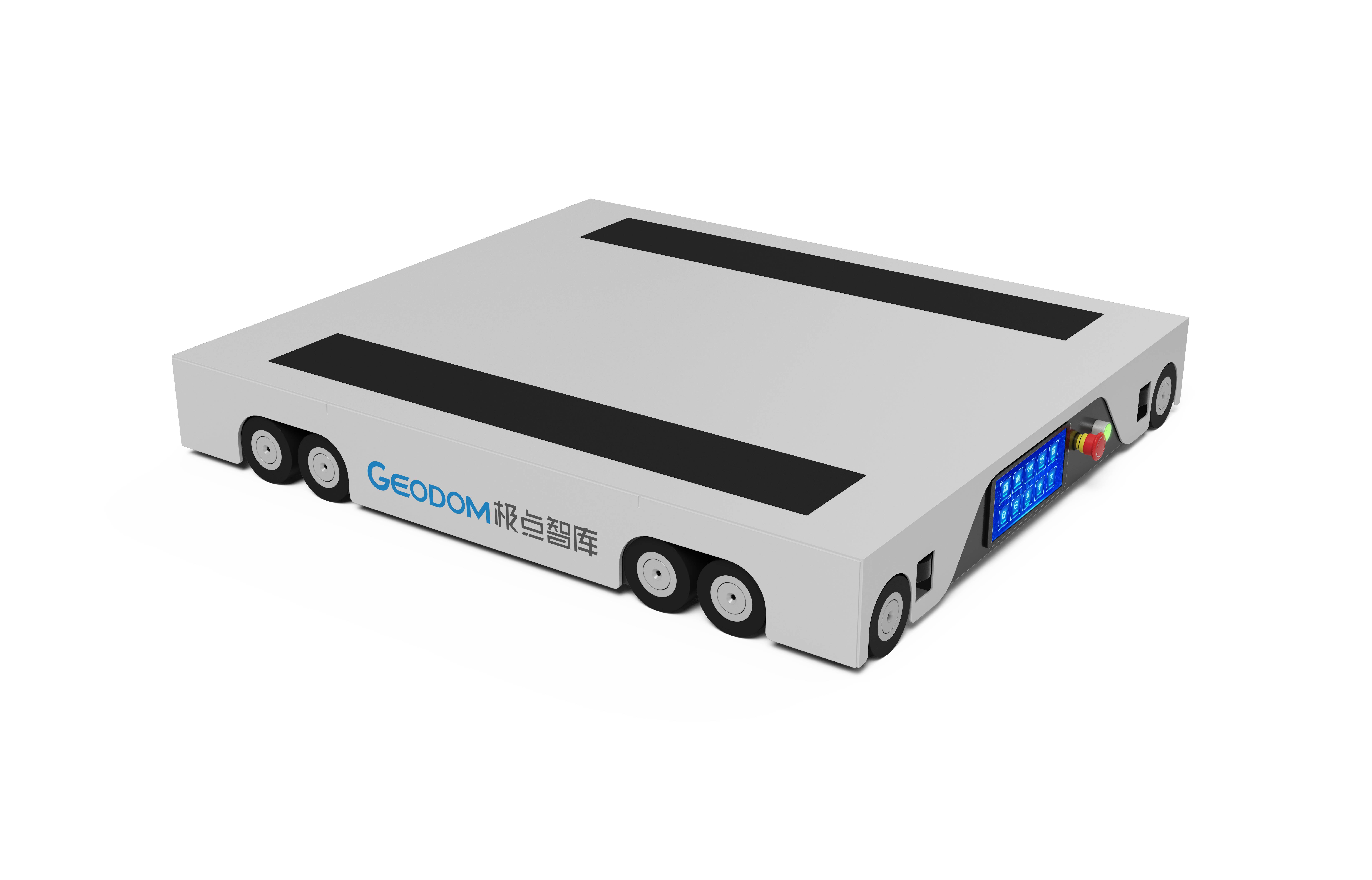
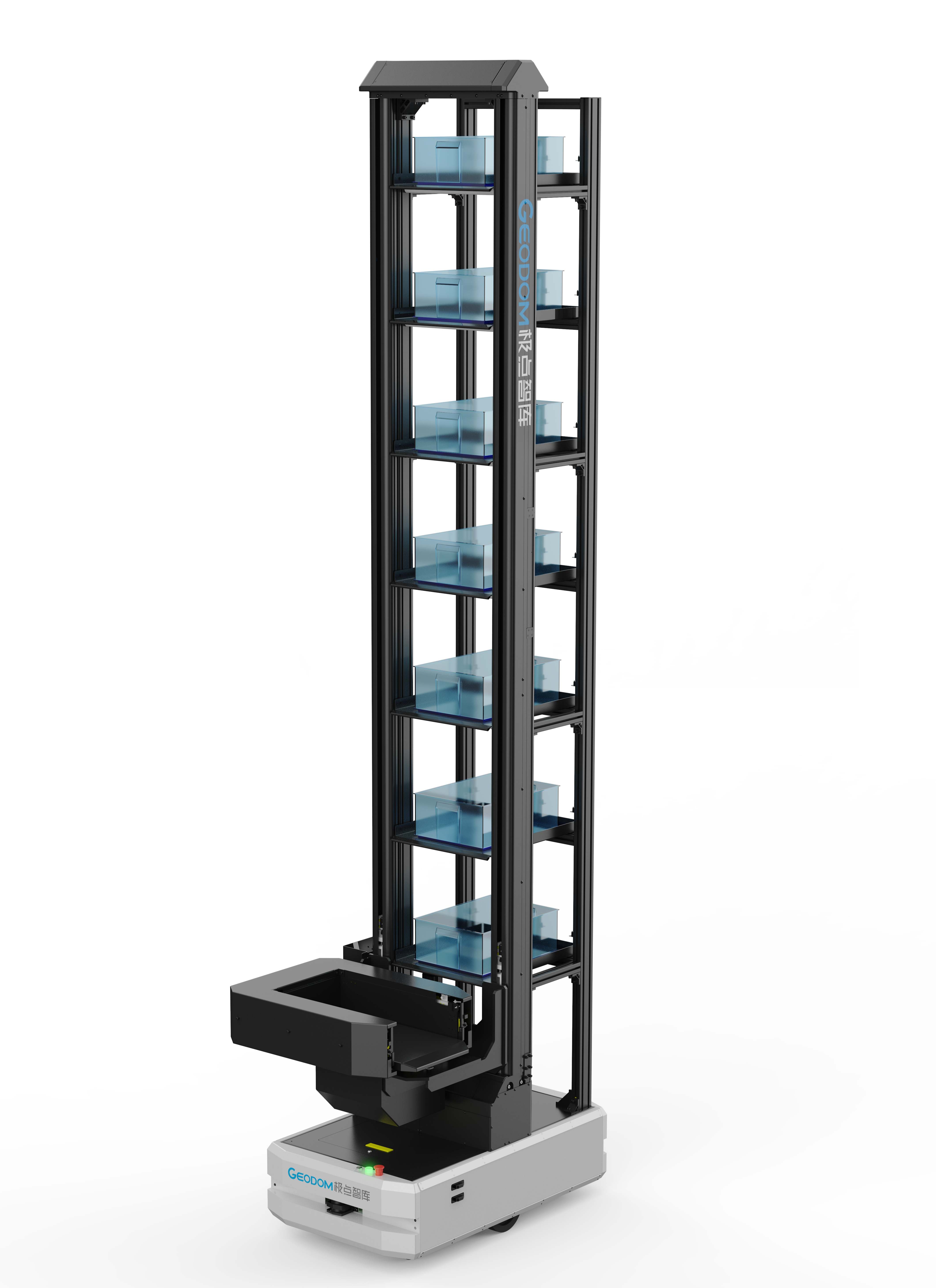

   Equipped with servo drive, supports forward/backward movement and in-place rotation, adapting to narrow warehouse spaces

   Navigation accuracy ±10mm, lifting stop accuracy ±3mm, fork-arm docking accuracy ±3mm/±1°, ensuring precise material handling


   Combines acoustic-light alerts, LiDAR safety protection, and contact sensors to prevent collisions

   Reserves interfaces for MES, WMS, ERP and central dispatching system, enabling intelligent management 

   8-hour continuous working duration with LiFePO4 battery, supports online automatic charging for 24/7 operation


Features:

  • Precision Control

  • Safety Assurance

  • Energy Efficiency

Product Advantages

  • 01

    Operational Flexibility

  • 02

    Precision Control

  • 03

    Safety Assurance

  • 04

    System Compatibility

  • 05

    Energy Efficiency

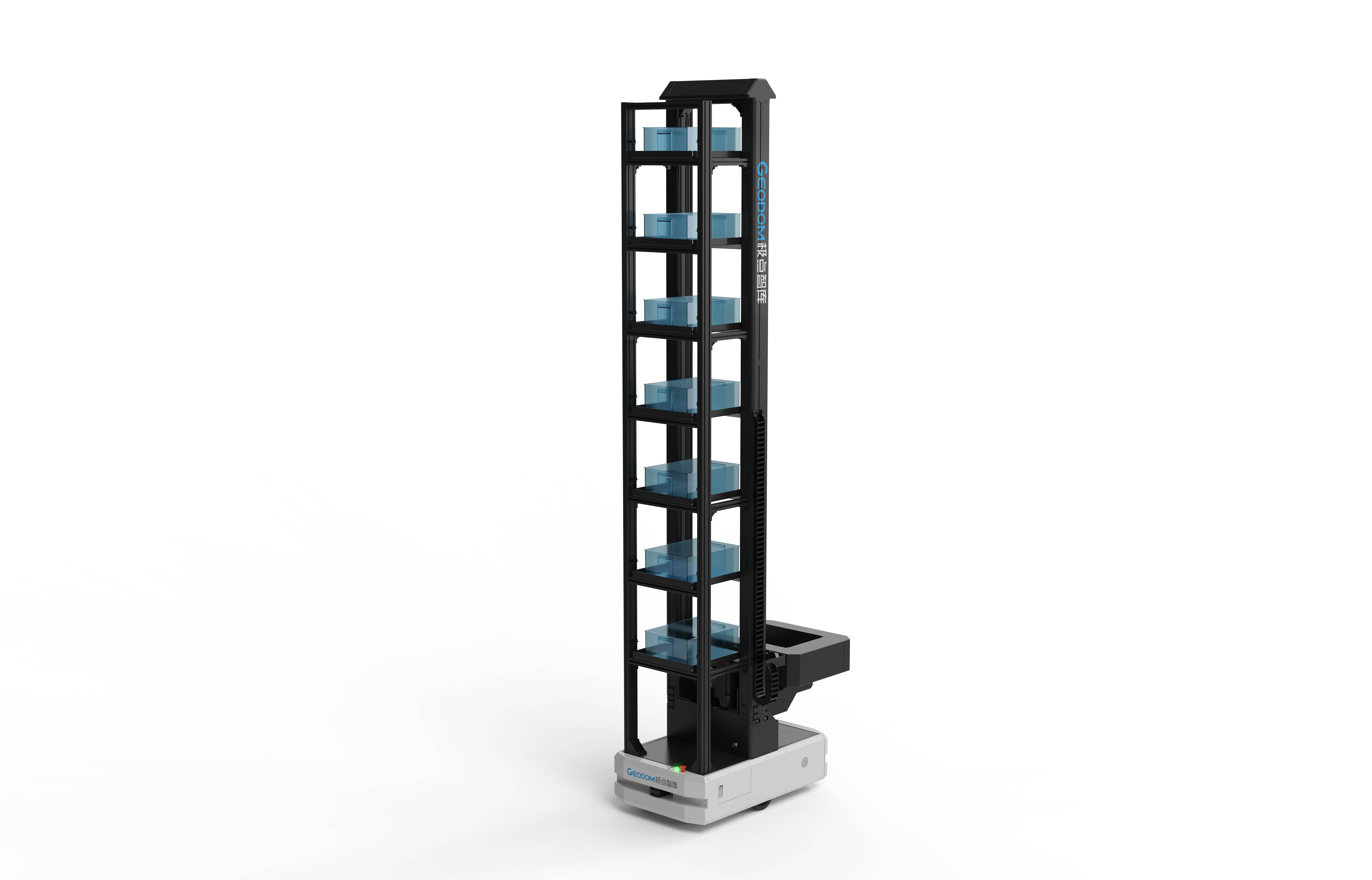


Product Appearance

Product Specifications

Parameter CategoryParameter NameUnitSpecification Value
Load CapacityRated Load CapacitykgFork load: 50kg; Vehicle load: 300kg
Physical DimensionsOverall Dimensions (L×W×H)mm1650L × 900W × 4350H
Operating RangePick-up Height Rangemm350 – 3950
Mobility PerformanceClimbing Capacity%/°≤5% / 3°
Navigation SystemNavigation MethodQR Code Navigation
Positioning PrecisionNavigation Position Accuracymm±10
Positioning PrecisionNavigation Angle Accuracy°±1
Mobility PerformanceTravel Speedm/sNo-load: 1.2 m/s; Loaded: 1.0 m/s
Safety FeaturesAcoustic & Light AlertAudio & Visual Notification
Wireless ConnectivityWireless ConnectivityIndustrial-grade WIFI
System InterfaceSystem InterfacesReserved for MES, WMS, ERP, Central Dispatching System
Sensing TechnologyContact SensorConductive Rubber
Sensing TechnologyNon-contact SensorSafety Protection LiDAR
Mobility PerformanceDriving MethodServo Drive (Forward/Backward, In-place Rotation)
Power SystemWorking Duration (Full Charge)h8
Power SystemBattery TypeLithium Iron Phosphate (LiFePO4)
Operating PrecisionLifting Stop Accuracymm±3
Operating PrecisionFork-arm Docking Accuracymm/°±3mm / ±1°
Power SystemCharging MethodOnline Automatic Charging

Frequently Asked Questions

  • Q

    What are the main application scenarios of CTU?

    A
    CTU is primarily designed for cargo transfer in warehousing and manufacturing industries. It excels in short-distance, high-frequency handling tasks such as "shelf-to-production line" and "inbound area-to-storage area" transfers. It supports automatic transportation of carriers including material carts, pallets, and turnover boxes, optimizing the efficiency of internal logistics workflows.
  • Q

    Does CTU support multi-vehicle collaborative operation? How to prevent collisions between vehicles?

    A
    Yes, it supports multi-vehicle collaboration (up to 20 units can be dispatched simultaneously) via a central dispatching system that optimizes path allocation to avoid conflicts. For collision prevention:
    Safety LiDAR detects obstacles within 3 meters and triggers automatic deceleration/stopping;
    Conductive rubber contact sensors provide secondary protection against minor impacts;
    Audible and visual alerts (buzzer + LED lights) warn nearby personnel.
    These multi-layer safeguards ensure safe operation in multi-vehicle environments.
  • Q

    The battery life is 8 hours on a full charge. Can charging time be shortened for high-intensity operations?

    A
    Yes. The CTU uses a 48V 40Ah LiFePO4 battery and supports "online automatic charging":
    A 1-hour charge restores 60% of battery capacity;
    A full charge takes 2 hours.
    For scenarios requiring faster charging, a customizable fast-charging version is available (compatible with dedicated charging piles), which can reach 80% capacity in just 40 minutes, supporting continuous high-intensity operations.
  • Q

    Can CTU integrate with our existing Warehouse Management System (WMS) or ERP?

    A
    Absolutely. The CTU reserves standard interfaces for MES, WMS, ERP, and central dispatching systems, supporting common industrial protocols such as OPC UA and Modbus. No additional development is required—typically, integration and debugging can be completed in 1-2 days, enabling real-time data synchronization (e.g., order issuance, task status feedback, inventory updates).

Video